
Maintenance & Repair with Polymer Metals
Worn impellers, scored shafts, leaking housings: we use polymer composite materials to restore components in a targeted way – usually directly on site and often faster than a new part could be delivered.
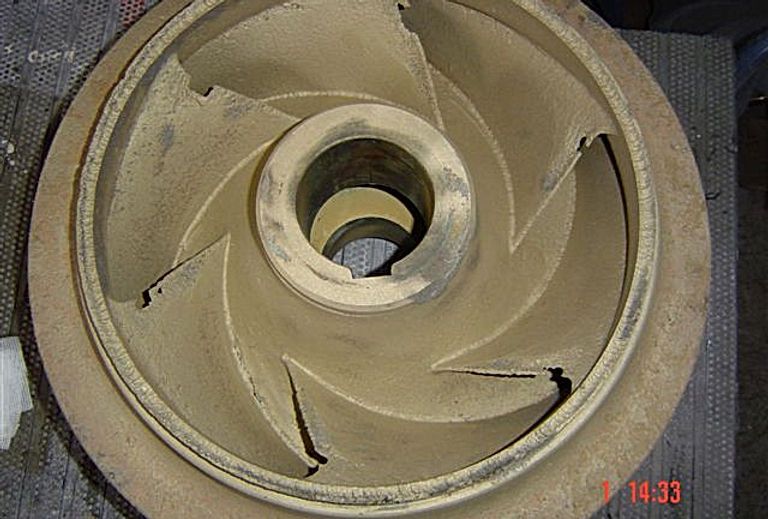
Repair instead of replace
Polymer metals are multi-component, polymer-based repair materials with metallic or ceramic fillers. They can be applied as a paste or liquid, bond permanently to steel and cast iron, and cure without heat input. This allows us to restore worn or damaged components to their original dimensions, seal them and protect them against further wear.
DSM has been using these materials in industry, shipbuilding and hydraulic engineering since 2004 – from repairing individual pump components to refurbishing lock components. The goal is always the same: to restore the function of your plant and keep downtime as short as possible.
Cold-applied – no distortion, no change to the microstructure
Because polymer metals require no welding, they introduce no stresses and no changes to the microstructure of the component. This is crucial for castings, which are difficult to weld, and wherever hot work is not permitted – for example in potentially explosive atmospheres or on board ships.
Also for concrete
For foundations, machine anchorages, floors and ramps, we use a fast-curing two-component system based on magnesium phosphate. It bonds to old and new concrete as well as to steel and wood, is processed without adding water and is resistant to frost, thawing and de-icing salt.
Typical applications
Impellers & pumps
Rebuilding erosion and cavitation damage on impellers and pump casings and applying a new coating.
Shafts & hydraulic cylinders
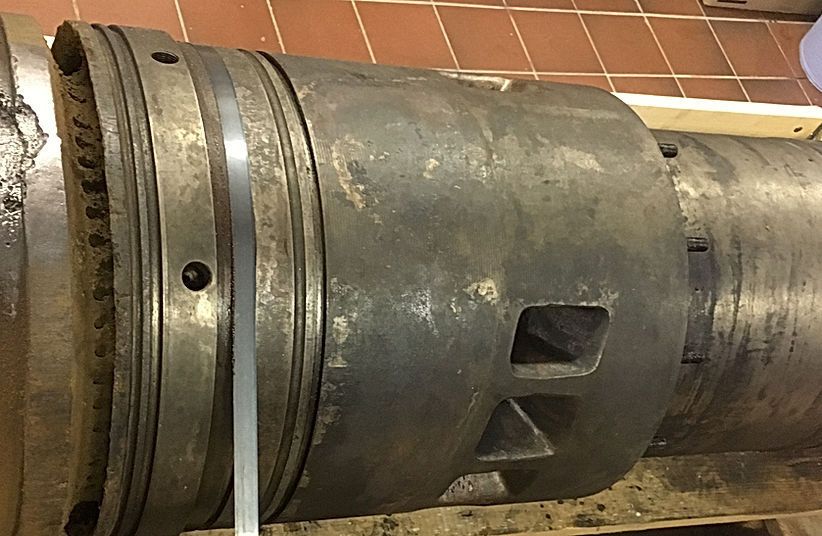
Rebuilding worn bearing seats and damaged running surfaces to size.
Heat exchangers & coolers
Rebuilding and coating of cooler covers, tube bundles and plate coolers.
Exhaust ducts & hot components
Repair of exhaust ducts and high-temperature components, sealing of leaks up to 1,300 °C.
Cracks & porosity
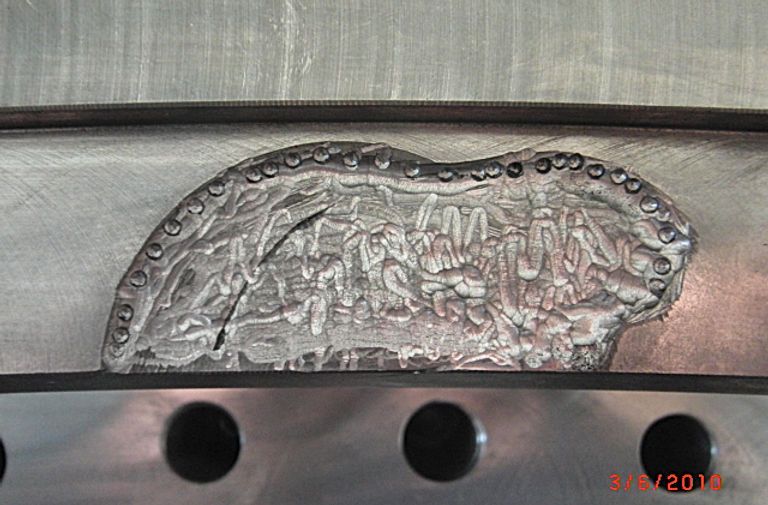
Permanently sealing leaks in metal structures by metal impregnation.
Rubber linings & seals
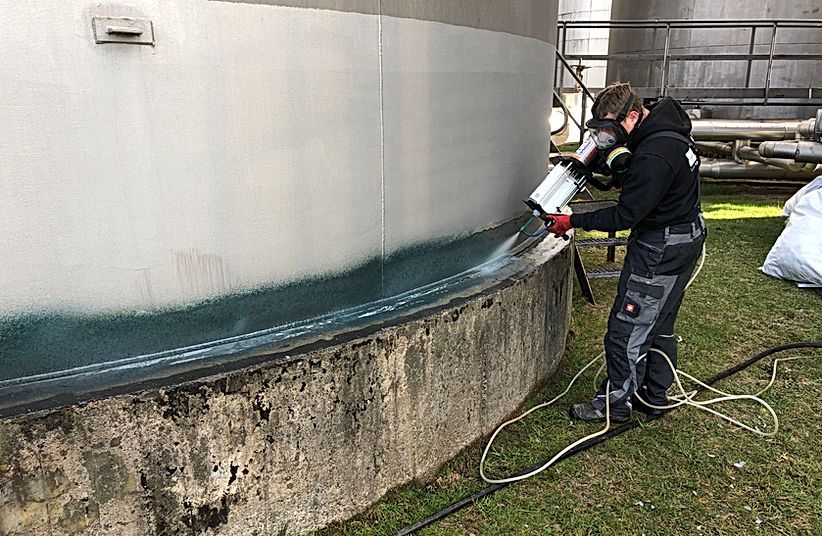
Repair of rubber seals and rubber linings of all kinds, and sprayable polyurea coatings.
Locks & hydraulic engineering
Eliminating erosion damage on lock components and restoring surfaces.
Shipbuilding & Offshore
Pitting on cooling water pipes, sea chests, engine components and machine foundations.
Concrete repair
Repairing foundations, floors, ramps and anchorages with fast-curing repair mortar.
Project examples
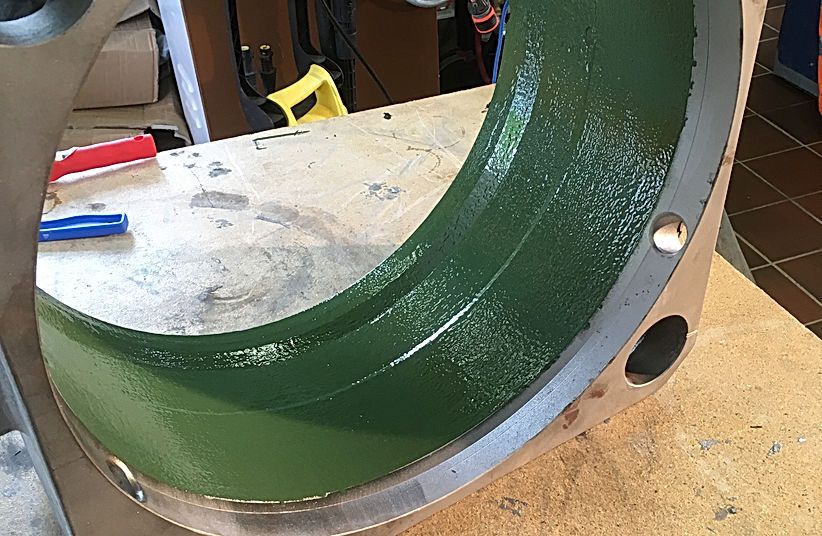
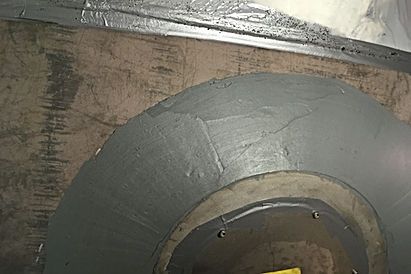
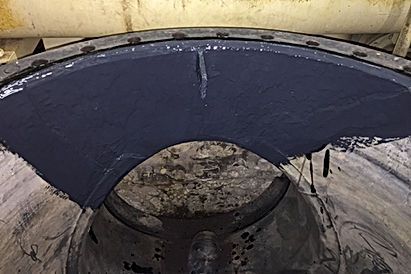
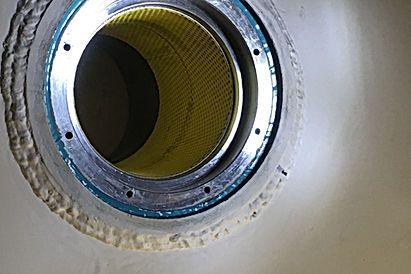
Insights into work carried out by DSM.
Why Repair & Polymer Metals
- ✓No complete replacement – Parts are repaired instead of being procured new.
- ✓No hot work – Cold-applied – no distortion and no fire risk.
- ✓Short downtimes – Work is often carried out directly at the plant.
- ✓Longer service life – Additional wear protection layer as required.
Our approach
Damage assessment
Inspection of the component, damage pattern and loads – on site or based on photos.
System selection
The right material for the temperature, medium and mechanical stress.
Rebuild
Surface preparation, rebuilding and machining to size.
Handover
Inspection of the repaired surfaces and handover for operation.
FAQ: Repair & Polymer Metals
What are polymer metals?
Polymer metals are repair materials consisting of a polymer matrix with metallic or ceramic fillers. They are applied cold, bond permanently to metal and can be machined after curing – for example by turning, milling or grinding.
How durable is a repair with polymer metal?
That depends on the component, the load and the chosen system. For wear, erosion and cavitation damage, a professionally executed repair achieves a long service life in many cases – often supplemented by an additional wear protection layer. We determine which solution makes sense for your component after the damage assessment.
Can you carry out repairs directly on site?
Yes. A large proportion of our work is carried out directly at the plant, on board or on the construction site. Smaller components can also be repaired in the workshop.
What temperatures can the repair systems withstand?
This varies considerably depending on the system. For hot components such as exhaust ducts, we use special high-temperature systems; with suitable products, leaks can be sealed at up to approximately 1,300 °C.
Do you also work in shipbuilding and offshore?
Yes. DSM is active worldwide in ship repair and maintenance – from sealing and cavitation damage to cooling water pipes and machine foundations.
You may also be interested in
Request a project: Repair & Polymer Metals
Briefly describe the component, the damage and the operating conditions – photos by e-mail are welcome. We will get back to you with a sound technical assessment.
Send an enquiry
We usually reply within one working day.